Developing Athletes and Young People
Guest article by John Barry Healey
I’ve been very fortunate in my life.
I’ve worked with great athletes, guided by outstanding mentors, and I’ve been supported by parents, programmes, and systems that understood something important.
⤷ Sport is never just about sport.
Over time, certain lessons keep returning, not because they are fashionable, but because ignoring them always comes at a cost.
These are some of the things experience has taught me.
Patience Is Not Optional
Development does not move in straight lines.
At some point, every coach and parent has to learn how to wait. To resist the urge to accelerate progress because it makes us feel more comfortable. The things we rush past early on often come back later and expose what was missed.
Patience isn’t passive; it’s an active decision to let learning unfold at the right time.
At Some Point, You Have to Let Go
If you hold too tightly, athletes don’t learn how to hold themselves. Independence doesn’t appear by accident, it grows when space is deliberately left for it.
That applies to:
decision-making
coping with failure
handling pressure
Letting go doesn’t mean stepping away, it means stepping back enough for growth to happen.
Plan Carefully, Then Be Ready to Change
Planning matters. It always has, but rigid plans don’t survive real environments, real people, or real disruption. The best programmes are built with structure and flexibility; you plan with intention, then adjust with awareness. If you can’t adapt, you aren’t leading development, you’re defending a plan.
Children Are Not Small Seniors
One of the biggest mistakes in youth sport is treating age-group athletes like scaled-down adults.
➜ They are not.
Different ages mean:
Different bodies
Different brains
Different emotional capacities
Coaching children as if they are senior athletes creates pressure before readiness. Development must match the stage in front of you, not the standard you admire on television.
Very Few Will Reach the Top And That’s Not the Point
The reality is simple: one per cent, or less, will reach elite levels, but everyone can “win” at what truly matters:
Health
Education
Communication
Confidence
Resilience
If sport only works for the few, it has failed the many, our responsibility is to develop people for life, not just performers for competition.
Losing Teaches More Than Winning
✅ Winning feels good.
✅ Losing teaches.
↳ Failure reveals habits.
↳ Pressure exposes preparation.
↳ Adversity shows character.
If losing is treated as something to fear, children stop experimenting, and it’s treated as information, learning can accelerate.
Strong programmes are built on partnerships.
Parents ➠ Schools ➠ Other sports ➠ With the wider community.
Isolation limits growth and collaboration multiplies it. No successful environment is built by one person, no matter how experienced.
You Cannot Do This Alone
Context Matters More Than Ever
COVID changed sport, ost years cannot be fast-tracked and developmental gaps cannot simply be “trained away.”
Children are not behind, they are different and programmes that ignore this reality risk pushing athletes out rather than bringing them back in.
Pressure Pushes Children Out of Sport
Many children don’t quit sport because they don’t enjoy it, they quit because of pressure.
Often well-intended.
Often adult-driven.
Often justified as “building resilience.”
But resilience grows through support, not fear, sport should be something young people stay with for life, not something they escape from early.
“Late developers often go further. Early success can mask long-term fragility, but those who develop later learn patience, build problem-solving skills, and develop internal motivation. Given time and belief, they often surpass those who were rushed too soon”
If you give everything early, extra training, weights, constant intensity, you leave nothing to introduce later.
Development needs progression, not saturation.
There must always be something new to learn, something new to strive for, something still to come.
Always Leave Something in Reserve
Variety Builds Better Athletes
Working across sports matters.
Movement skills transfer.
Awareness grows.
Burnout reduces.
Athletes who experience variety often develop broader intelligence and longer careers.
Fun Is Not a Luxury
Fun is not a reward, it is a requirement. Sport is a game, and even at its highest levels, joy sustains effort. Without enjoyment, nothing lasts.
Everyone Has Bad Days
Everyone has bad days, athletes, parents, and coaches alike. Strong environments allow for this without collapsing, because leadership isn't about perfection; it's about steadiness.
Remove Barriers Wherever You Can
Access matters.
Financial, emotional, and social barriers all limit participation.
If you want to build a bigger programme, remove obstacles instead of raising standards that exclude.
Protect the Environment
Disrespect from the sidelines, toward coaches, officials, or volunteers, spreads quickly, undermines trust, and damages learning. If the environment isn't protected, nothing else works.
Final Thought
Development takes time. You can't rush it, shortcut it, or fake it. But if you focus on people first, if you respect stages, context, and patience, sport becomes something powerful. Not just for athletes, but for life. The lessons learned through a well-supported journey stay long after the final whistle. That's the real measure of success.

About the Author
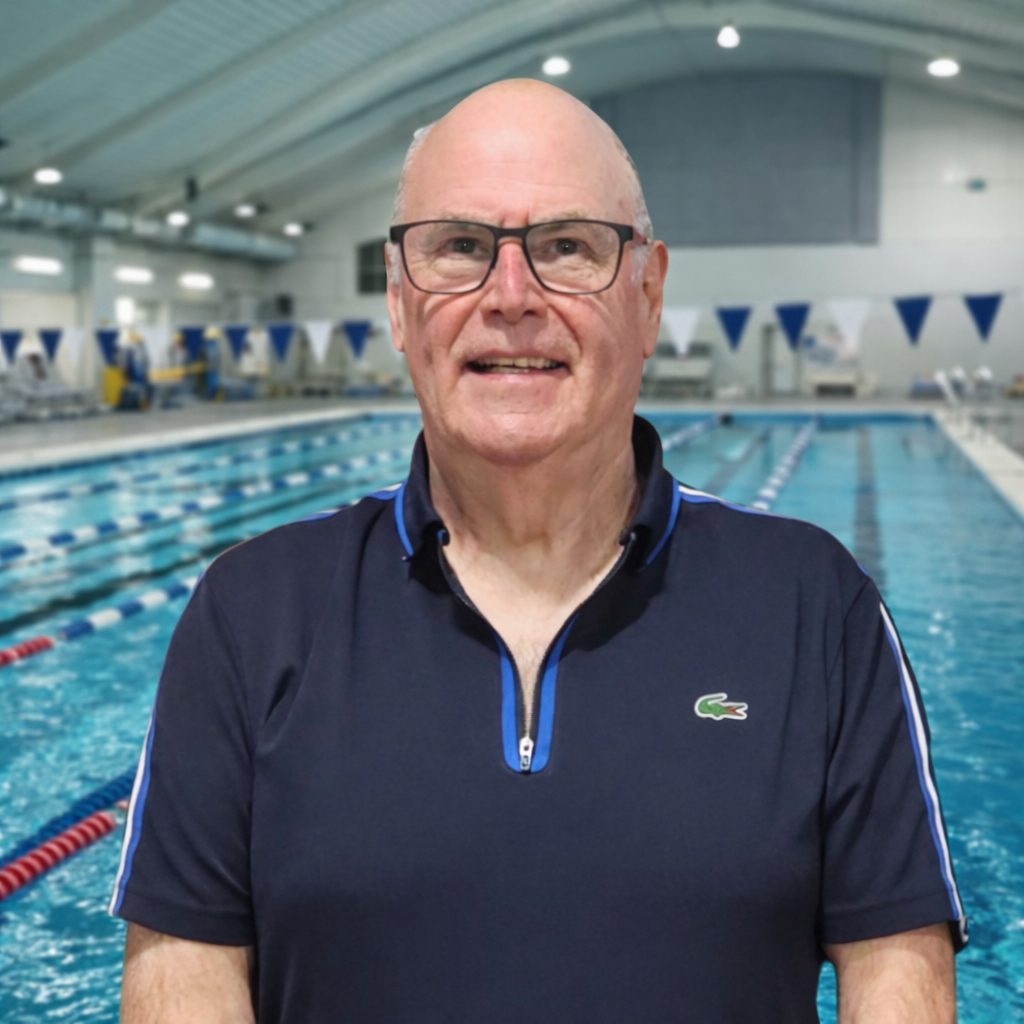
John Barry Healey is an internationally experienced coach, educator, and sports consultant with over four decades in athlete development across grassroots, national, and Olympic environments.
He is an NCCP Level 3 Senior Coach in swimming, owner of CurrentWave and The Swim Academy, and has coached athletes to national, international, and world-level success across multiple countries.
John has worked with Olympic and Paralympic programmes, advised national governing bodies, lectured in higher education, and led long-term community sport development initiatives in Canada and the UK.