No One Trains You to Be a Sport Parent But Maybe It’s Time We Did
Written by Dr. Jennifer Harris
Rhinestones and Lightbulbs…
It was 2017, and I was sitting in the stands of an international gymnastics competition surrounded by sparkles, hairspray, nervous parents, and enough lycra to clothe a small country. I was chatting with another mum about how we supported our child athletes when she turned to me and said, completely casually, “I wish you could help me, Jen. I haven’t got a clue what I’m doing.”
For her, it was just a passing comment. For me, it was a lightbulb moment.
My daughter was nine years old at the time, training 18 hours a week and competing internationally in aerobic gymnastics. Two years later she would be selected for the British Team. Back then I was one of hundreds of parents in the stands - sleep-deprived, emotionally invested, financially committed, and quietly terrified of getting it wrong. I looked around at the sea of parents who had flown in from all over the world to watch their children compete and had a sudden, unsettling thought: “she’s right… none of us have a clue what we’re doing.”
From Adventure Travel to a PhD
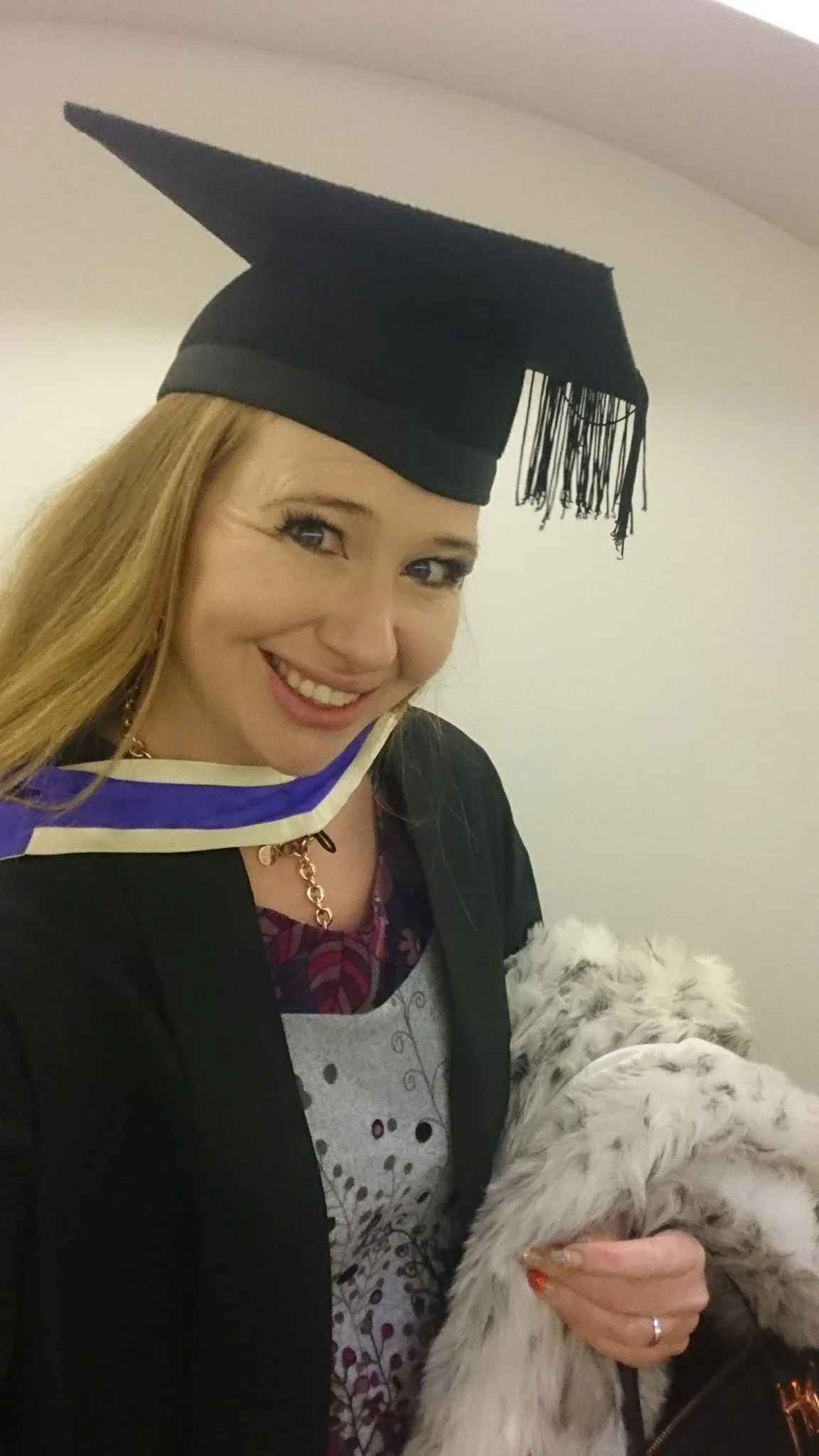
So I did what any completely reasonable person would do. I went home, Googled “sport parent education course,” found absolutely nothing… and promptly quit my job in the travel industry and went back to university. My husband was thrilled. (He was not thrilled.)
What began as a slightly bonkers idea turned into eight years of study, research, and lived experience, culminating in a PhD focused on sport parenting. The outcome of that work was the SUPER-P Approach - an evidence-based education programme designed specifically for sport parents. Although my personal journey came through gymnastics, the programme itself was developed and tested with families from a wide range of sports, ages, and competitive levels. Whether your child is eight or eighteen, competing locally or internationally, this course is for you!
Over the past eight years, I have been applying the SUPER-P Approach in my own life as a sport parent, and it has never let me down. We have navigated big wins - the kind that make you cry in public - but far more often we have faced losses, near misses, injuries, setbacks, and those moments of quiet devastation when you sit in the car afterwards and simply don’t know what to say. In those moments, when emotions are raw and words matter most, having a framework to guide you is invaluable.
Raging Maniacs vs the Golden Ones - who am I here for?
When I began my PhD, I assumed my research would be for the so-called “problem parents” - the ones shouting from the sidelines, creating pressure, living through their children’s performances. After all, I wasn’t one of those. I was a supportive parent. A calm one. A “good” one. I didn’t think I needed help.
One of the first research papers I read seemed to confirm that belief. It stated that “at least 70% of parents are ‘golden’, and the rest range from ‘temperamental’ to ‘raging maniacs’” (Gould et al., 2008, p. 24). I remember thinking: well, clearly my work is for the 30%.
We all recognise the stereotype - the sideline screamer, the overbearing parent, the one everyone quietly hopes won’t sit near them at competitions. That wasn’t me. I didn’t shout, didn’t pressure, and had zero unfulfilled dreams of becoming an elite gymnast myself. I felt reassured that I fell firmly into the “golden” category - one of the 70% who were already doing things right.
When Being “Helpful” Backfires
Then came the British Championships, my daughter had had an extraordinary season, medalling at almost every competition. There was real hope she might medal again and secure a place on the British Team. She made one small mistake and finished seventh - still an exceptional result, but she had missed out on a place on the British Team. She was genuinely pleased to be in the top ten, and we celebrated. I told her how proud I was, and I meant it but privately, I was disappointed.
The drive home took five hours. We talked about TV, music, snacks - everything except gymnastics. It felt like exactly the kind of supportive car journey parents are encouraged to provide. Then, in the final hour, I said something I believed was harmless. “Darling, do you know that if you’d scored your press, you would have come second?”
Her face fell. “Oh Mummy… do you think I didn’t do very well then?”
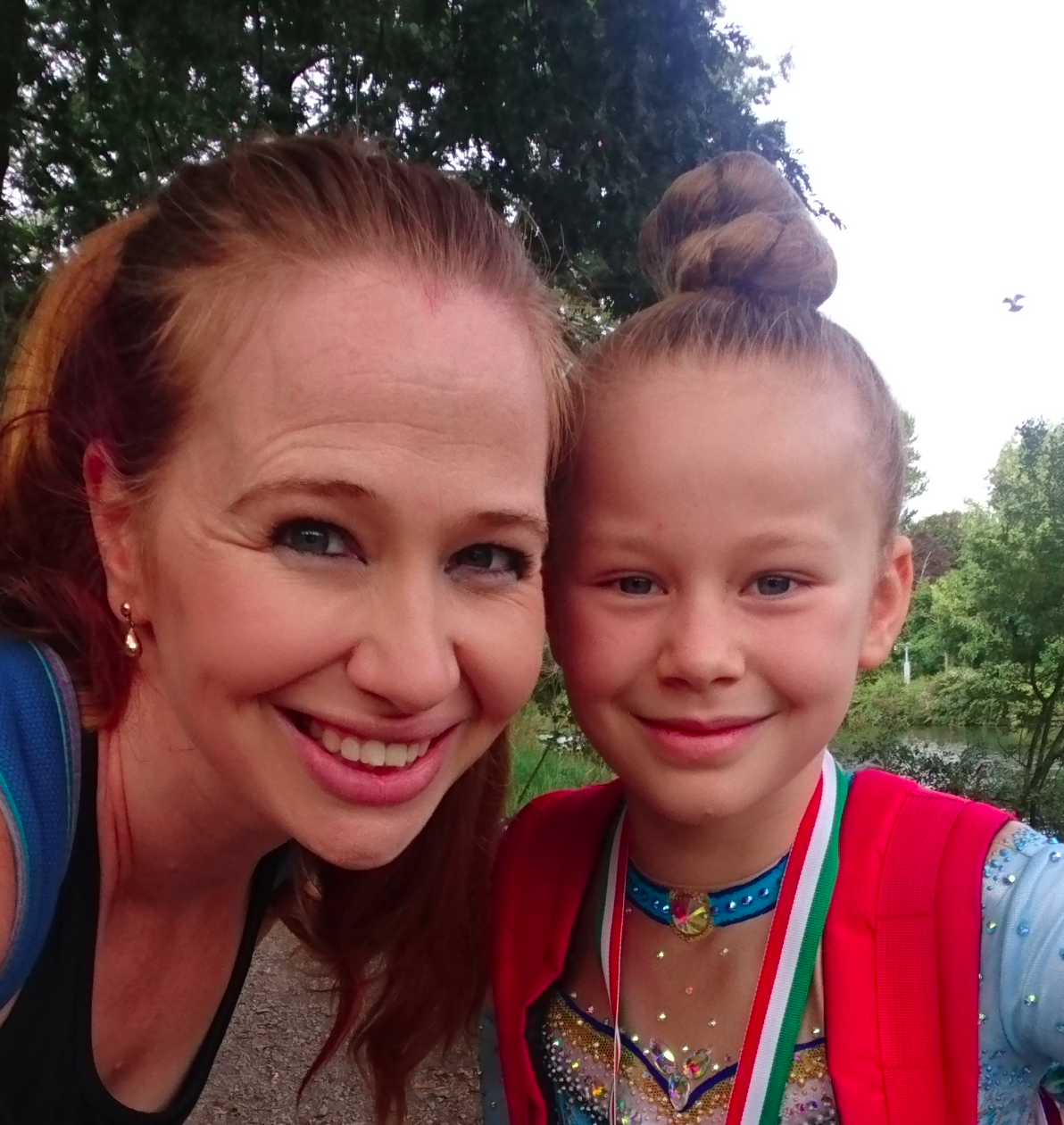
In that moment, my heart sank. I scrambled to reassure her, to undo what I had just done, but the damage had landed. My “helpful comment” had quietly erased her pride and replaced it with doubt. Worse, it suggested she had let me down. That single sentence taught me more than any textbook ever could.
I realised something uncomfortable but important: I was still one of the “golden” parents - loving, supportive, trying my best - and yet my words had hurt my child. The issue wasn’t that I was a bad parent. It was that I had never been taught how to navigate the emotional complexity of competitive youth sport. Suddenly, it became clear that the 70% were just as much in need of guidance as the so-called raging maniacs.
Devillainising Sport Parents (yes that is a word!)
Most sport parents are not villains. They are exhausted, anxious, proud, confused, fiercely loving humans trying to support their child in a high-pressure environment without a manual. When children struggle, we buy better equipment, book extra coaching, move clubs, analyse training plans, and reorganise our entire lives. What we rarely do is examine our own behaviour - yet research consistently shows that parents are one of the most powerful influences on a child’s sporting experience, affecting enjoyment, confidence, anxiety, resilience, and even performance. In my own research, over 60% of parents reported improved competition results within just six weeks of taking my course. I also found a significant reduction in child anxiety. My findings clearly indicated the power of sport parent behaviour.
Sport parent education isn’t about criticism; it’s about understanding the landscape. Youth sport has become more intense, more expensive, more time-consuming, and more emotionally charged than ever before, yet parents are expected to navigate it instinctively. Most are doing an incredible job under difficult circumstances, but small shifts in communication and behaviour can make a profound difference.
“I Don’t Have Time for This” - The Reality
Don’t worry guys! I got you! Despite being grounded in eight years of research and real-life experience, the SUPER-P Approach can be learned in just 60 minutes through a pre-recorded online course - less time than an episode of Stranger Things - or shared with an entire club in a two-hour workshop.
So the question is not really “Do I need this?” If you are a sport parent, you almost certainly do. The better question is: why wouldn’t you invest one hour to strengthen one of the most important roles you play in your child’s life?
A Quick Message for Coaches
If you are reading this as a coach, there is an important message here too.
Coaches receive training. Athletes are taught expectations, routines, roles, and behaviours from their very first session. Parents, however, are simply handed the timetable, the fees, and a vague sense that they should be “supportive” - whatever that means in practice. There is no handbook for navigating selection disappointments, performance slumps, sideline etiquette, or the emotional aftermath of competition.
Most parents are not trying to undermine coaches or create pressure. They are trying to help in the only ways they know how, often while managing their own anxiety and investment. Without guidance, that help can sometimes land in ways that are unhelpful or confusing, but it rarely comes from a bad place. Expecting parents to instinctively know how to behave in a high-stakes sporting environment is a little like expecting athletes to perform without coaching.
If You Read Nothing Else, Read This
Parent education is not a luxury add-on; it is one of the most effective ways to strengthen the coach–athlete–parent relationship and create a healthier performance environment for everyone involved.
Youth sport can be extraordinary, but it can also be relentless - emotionally, financially, logistically, and psychologically. Parents carry the quiet weight of early mornings, long drives, missed weekends, crushed hopes, and the constant fear of saying the wrong thing at the wrong time. We celebrate their triumphs as if they were our own, and we absorb their disappointments even more deeply.
Guidance doesn’t remove the hard parts, but it changes how you move through them. It helps you become the steady presence your child needs in a world that often feels uncertain and unforgiving. Because while we can’t control results, selections, injuries, or outcomes, we can shape the experience our children have along the way - and that experience will last far longer than any medal.
Parents who would like access to the SUPER-P Approach can complete the 60-minute online course here:https://www.raisinghappychamps.co.uk/challenge-page/superp?programId=8ed6f019-cce8-4e1a-afaf-70822689ef43
Coaches or clubs interested in arranging a workshop for their parents can find further information and enquire here:https://www.raisinghappychamps.co.uk/clubs
About the Author
Dr.Jennifer Harris is a sport psychologist specialising in sport parents and founder of Raising Happy Champs. Her PhD focused on designing and scientifically evaluating an evidence-based education programme for sport parents, and now works with clubs and families to improve the parent–coach–athlete environment.